Designing a new construction home is an exciting opportunity to create something entirely your own. From the layout and lighting to the finishes and furniture, every choice plays a role in shaping how your home looks, feels, and functions. But with all that freedom comes a lot of pressure. The process can quickly become overwhelming, and without experienced guidance, even the most well-intentioned decisions can lead to long-term regret.
At Welcome Home Styling, we believe that your home should be a reflection of you, which means the design needs to be thoughtfully designed and deeply personal. When you’re building from the ground up, having a clear vision and expert support is essential. Here are some of the most common mistakes we see homeowners make when designing a new construction home—and how you can avoid them.
1. Hiring an Interior Designer Too Late in the Process
One of the most common pitfalls in building a new construction home is assuming that the design phase comes after the construction phase. In reality, these elements should work in tandem from day one. The layout, architectural details, lighting plan, and furniture placement all inform one another. When design decisions are left until after the home is built, you may find yourself stuck with compromises you didn’t intend. When working with a custom home builder, you may assume they have an interior designer on staff, but that’s not always the case.
So, bringing in a new home interior designer of your own early in the process allows you to plan holistically. Things like outlet placement, ceiling height, and built-in cabinetry should all be considered in the context of how you plan to use the space. Integrating your design team with your builder ensures that your aesthetic and functional goals are aligned every step of the way.
The right designer will work closely with your architect and builder, collaborating to make informed decisions that serve your vision. This level of communication not only minimizes costly mistakes but also allows for opportunities that enhance the overall flow and finish of the home. Too often, homeowners assume the builder’s team will handle the design, but building a home that feels special requires more than standard blueprints. Should we indicate pics below are from Visual Comfort?
2. Underestimating the Power of a Lighting Plan
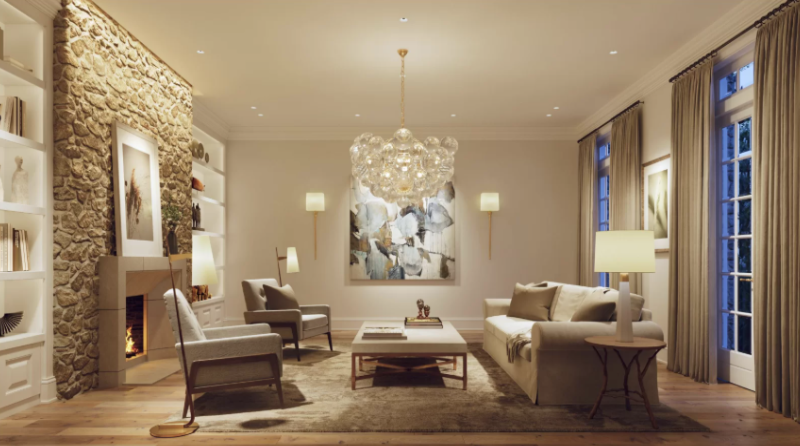
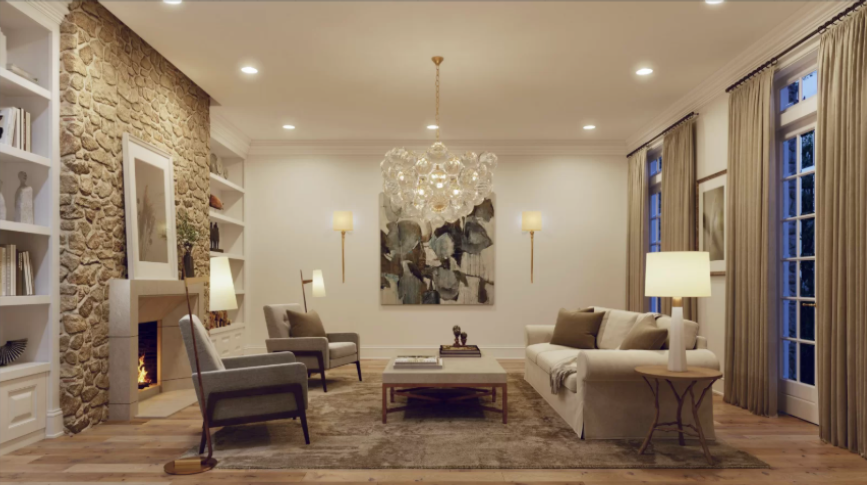
Lighting is often treated as an afterthought in new builds, yet it’s one of the most impactful elements in interior design. A well-considered lighting plan enhances the architecture, adds warmth and mood, and ensures each room functions beautifully at all times of day.
Too often, homeowners rely solely on overhead lighting or default to the standard builder package. But this can leave your home feeling flat and cold. An experienced interior designer for new home construction will map out layers of lighting, including ambient, task, and accent lighting, tailored to how you live. Properly placed sconces, under-cabinet lights, pendants, and dimmers all work together to create a welcoming, elevated environment.
Additionally, lighting plays a critical role in setting the tone of your space. A well-placed chandelier in an entryway or dining room can become a sculptural statement, while hidden cove lighting in a primary bedroom ceiling can add understated elegance. Each lighting decision becomes a layer of storytelling within your home.
The placement of windows and natural light sources should also be considered. Designing around natural light can dramatically influence mood, color palettes, and how comfortable a room feels at different times of the day.
3. Overlooking Furniture Layout During Floor Plan Selection
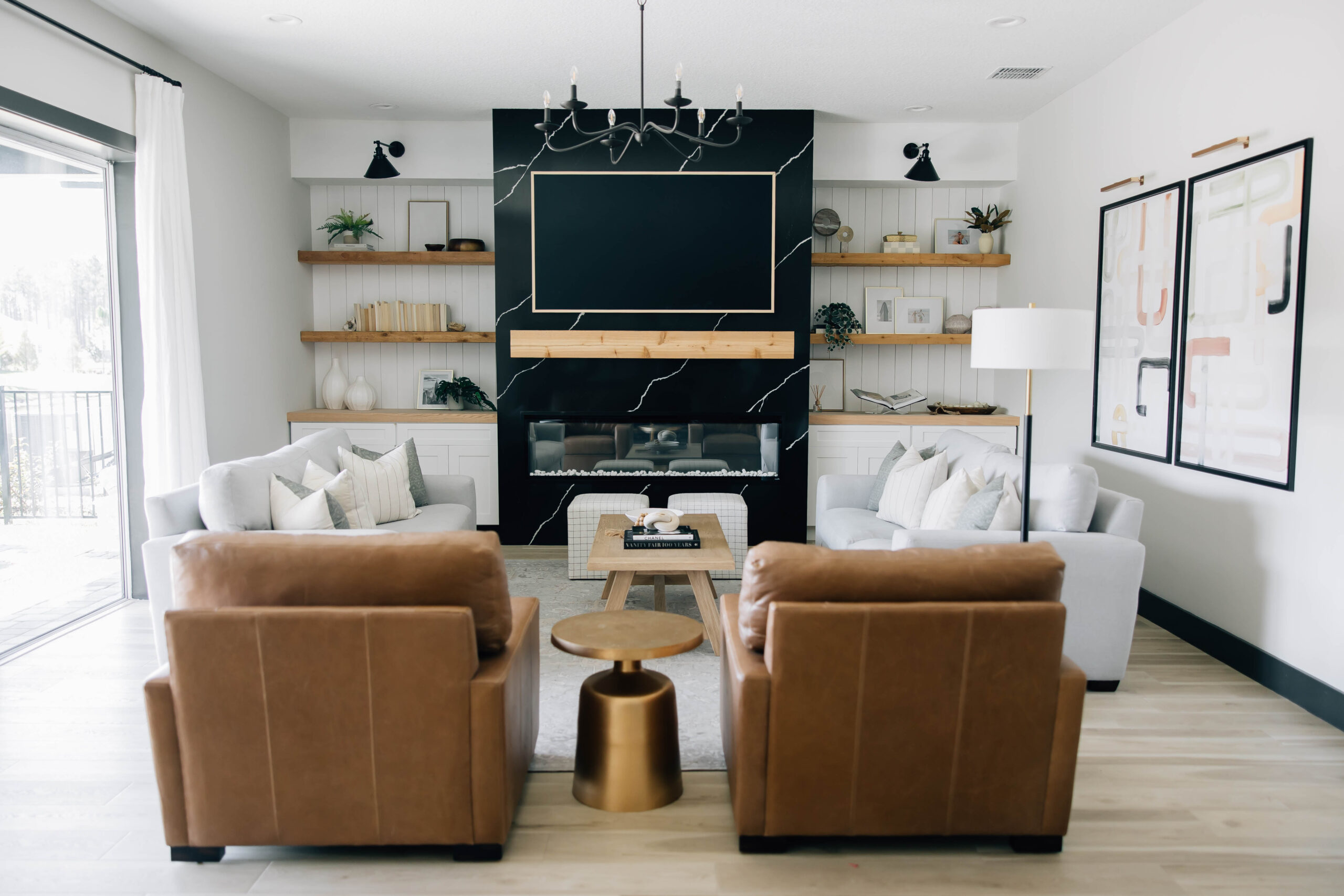
It’s easy to fall in love with a floor plan based on square footage or renderings, but the real test is how your furniture will live in the space. Oversized great rooms may lack intimacy, while rooms that look generous on paper might not comfortably fit the pieces you already own or plan to purchase.
Before finalizing your floor plan, work with a new build interior designer to assess furniture placement. They can help ensure you have the right flow, scale, and function for your lifestyle. Do you need space for a grand piano? A reading nook? A formal dining area that actually gets used? These questions should be addressed early, not once the framing is complete.
A designer will help you visualize how each room will function day to day. They can offer insight into traffic patterns, focal points, and the scale of furnishings, ensuring every square foot feels intentional and usable.
Too often, rooms are sized with arbitrary dimensions that don’t translate well in real life. With a designer’s perspective, you’ll gain clarity on room proportions that actually support your vision, whether that’s a cozy retreat or an entertainer’s dream.
4. Choosing Builder-Grade Everything
Builder packages are designed for efficiency and affordability, not for style or personalization. While some builder options are perfectly functional, choosing them across the board can leave your home feeling generic and uninspired.
That doesn’t mean every finish needs to be custom, but it’s worth investing in certain upgrades that add long-term value. Think cabinetry hardware, lighting fixtures, tile, and millwork details. Working with a new construction interior designer ensures that your selections enhance your home’s architectural style and create visual continuity throughout.
From arched doorways to tray ceilings and custom built-ins, these architectural details create a sense of luxury and craftsmanship that far surpasses a basic spec build. Your designer will guide you through these opportunities to personalize your home in a way that adds value and beauty for years to come.
Small upgrades like a unique kitchen backsplash, decorative vent hoods, or even alternate door profiles can have a dramatic effect when thoughtfully chosen.
5. Ignoring the Ceiling
Ceilings are often called the “fifth wall” for a reason. They offer an incredible opportunity to add interest and depth to a space. Whether it’s with trim work or beams, ceilings deserve attention.
Leaving them flat and white may seem safe, but it can be a missed opportunity to create something special. An experienced interior designer for new home construction will help you consider where to incorporate ceiling treatments that draw the eye upward and make your rooms feel more architecturally complete.
A coffered ceiling in a formal living room or wood beams in a vaulted family room can add a bespoke, custom-built aesthetic. Even subtle upgrades, like paint color or crown molding, can bring a sense of completion to the space.
6. Skipping Custom Storage Solutions
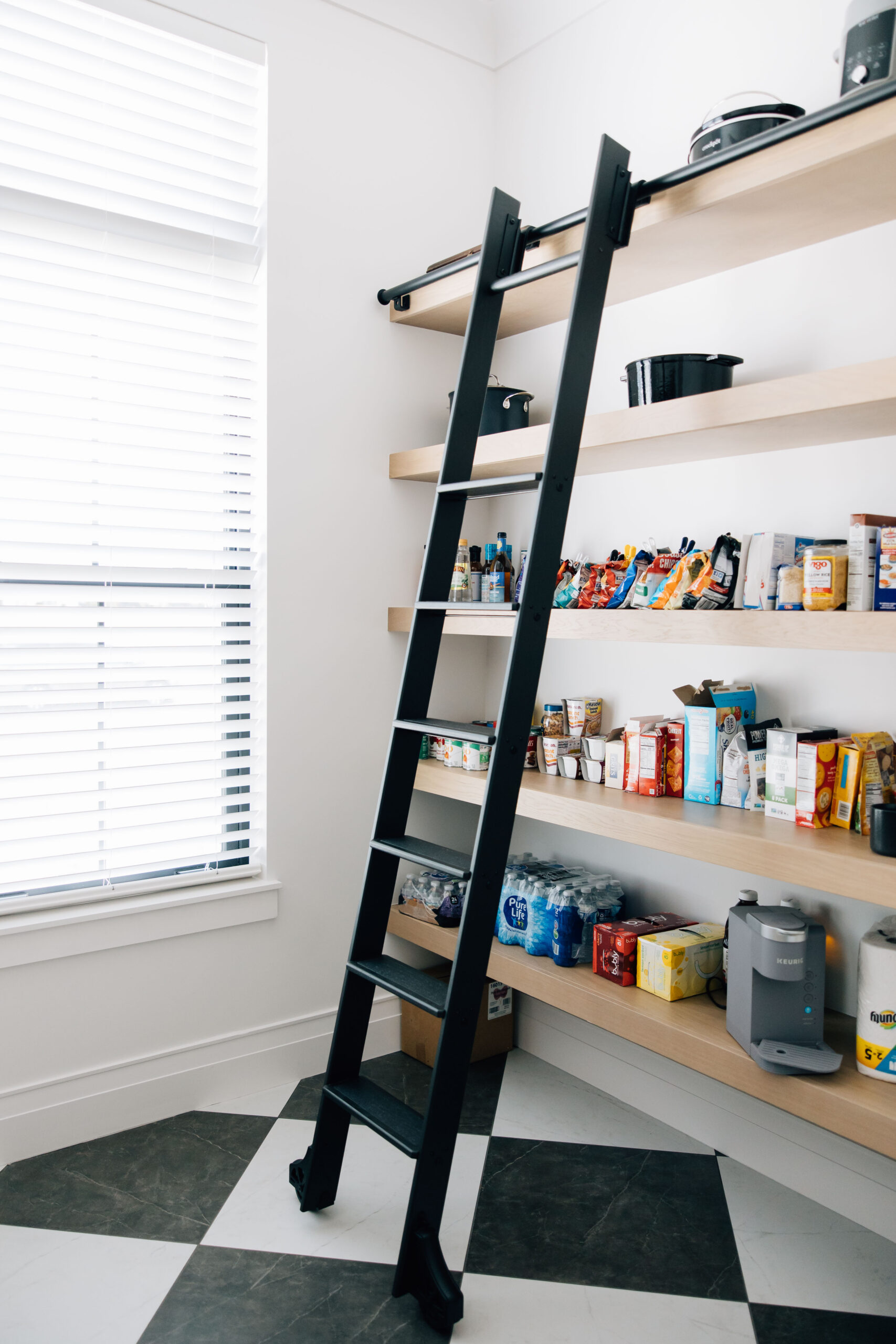
Storage is one of the most requested features in any home, yet many new builds don’t take full advantage of custom solutions. Builders may offer a few closets and standard cabinetry, but these often fail to meet the actual needs of a modern family.
Designing thoughtful, tailored storage requires planning during the architectural phase. Where will backpacks go when kids come home from school? How do you store seasonal items? Where will your cleaning supplies or craft materials live?
By collaborating with a new build interior designer during planning, you can incorporate built-ins, drop zones, pantry systems, mudrooms, and linen storage that are not only functional but beautiful. These solutions keep your home looking organized and feeling calm.
Even less obvious areas—such as window benches, integrated desk nooks, or mudroom lockers—can become everyday luxuries that elevate your home’s functionality and aesthetic.
7. Neglecting Outdoor Spaces
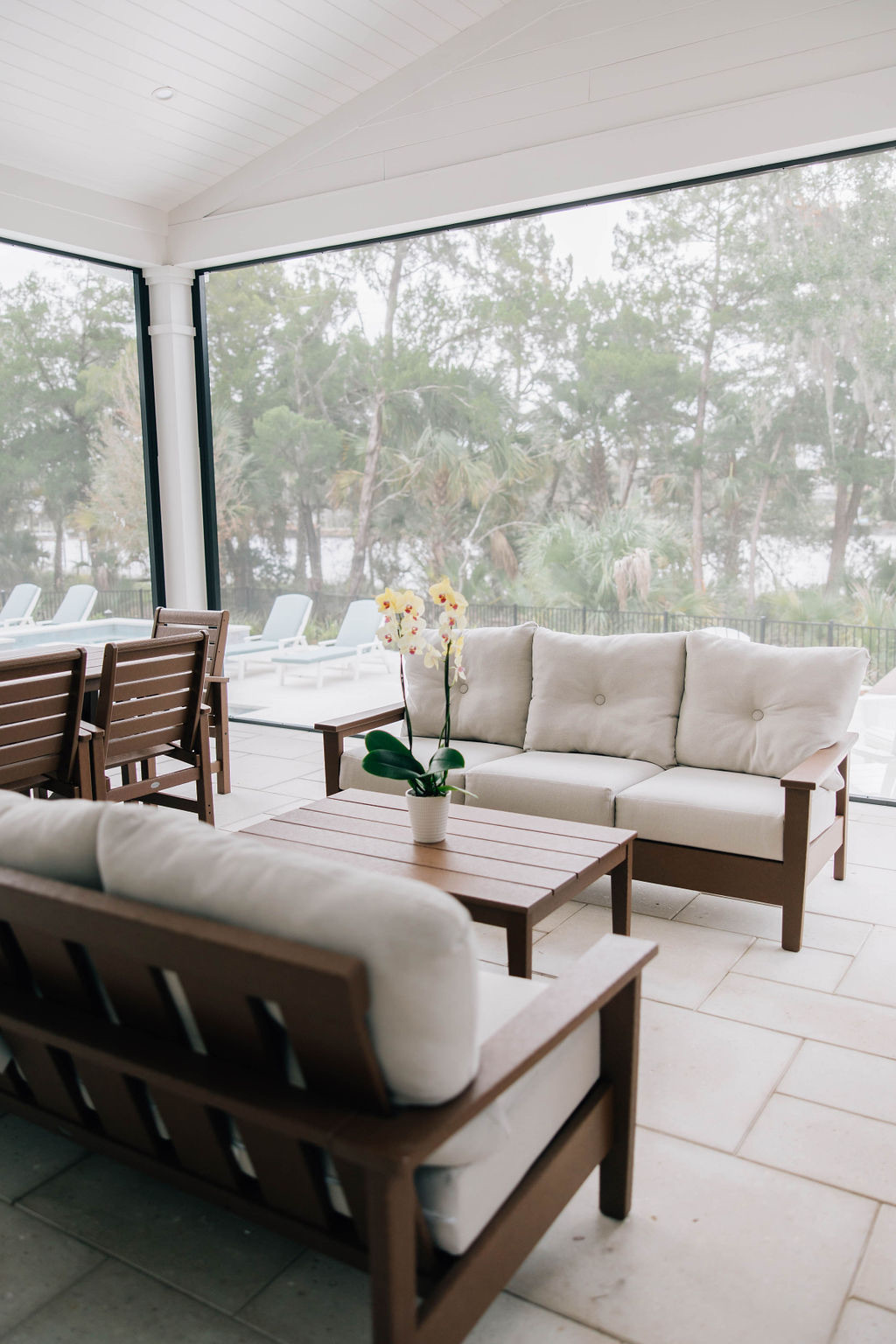
When building a new construction home, the focus tends to be on the interiors. But outdoor living spaces are an essential part of how a home lives. If these areas aren’t planned with the same care, they often end up underused or disconnected from the rest of the design.
Designing patios, porches, and backyards to flow naturally from your indoor spaces increases your home’s usable square footage and overall ambiance. A new construction interior designer will help carry the design outdoors through finishes, furniture selections, and spatial planning, ensuring that your exterior spaces feel like true extensions of the home.
From creating serene poolside retreats to charming front porches and alfresco dining areas, outdoor spaces should feel as intentional as any interior room.
Consider architectural elements like pergolas, fire pits, or outdoor kitchens that elevate the experience and mirror the same sophistication found inside your home.
8. Designing for the Present, Not the Future
Your lifestyle today may not be the same five or ten years from now. That’s why it’s important to design with flexibility and longevity in mind. If you’re planning to grow your family, transition into working from home, or eventually age in place, your home should accommodate those changes.
A seasoned interior designer for new home builds will help you anticipate future needs and integrate solutions that are both stylish and sensible. That might mean adding plumbing behind a wall for a potential wet bar or integrating built-in storage that can grow as your family does.
Smart, forward-thinking design ensures your home continues to support you as your needs evolve. It also protects your investment by reducing the likelihood of major renovations down the road.
This kind of foresight is especially valuable in transitional spaces. Think flex rooms, guest quarters, or bonus areas that can evolve alongside your lifestyle.
9. Rushing the Process
There’s a natural urgency that comes with building a home. Deadlines, decisions, and construction schedules can make it feel like there’s no time to pause. But rushing through design selections almost always leads to regret.
Some of the most meaningful design decisions take time, whether it’s sourcing a one-of-a-kind light fixture, deciding between finishes, or evaluating layout options. A skilled new home interior designer will help you pace decisions, focus on what matters most at each phase, and ensure your final home feels cohesive and personal.
Investing time in your home’s design process allows for moments of creativity and personalization that simply can’t be achieved in a hurry.
Take the time to explore options, request samples, and visualize the end result. These moments of pause often lead to the most inspired choices.
10. Not Asking for Help
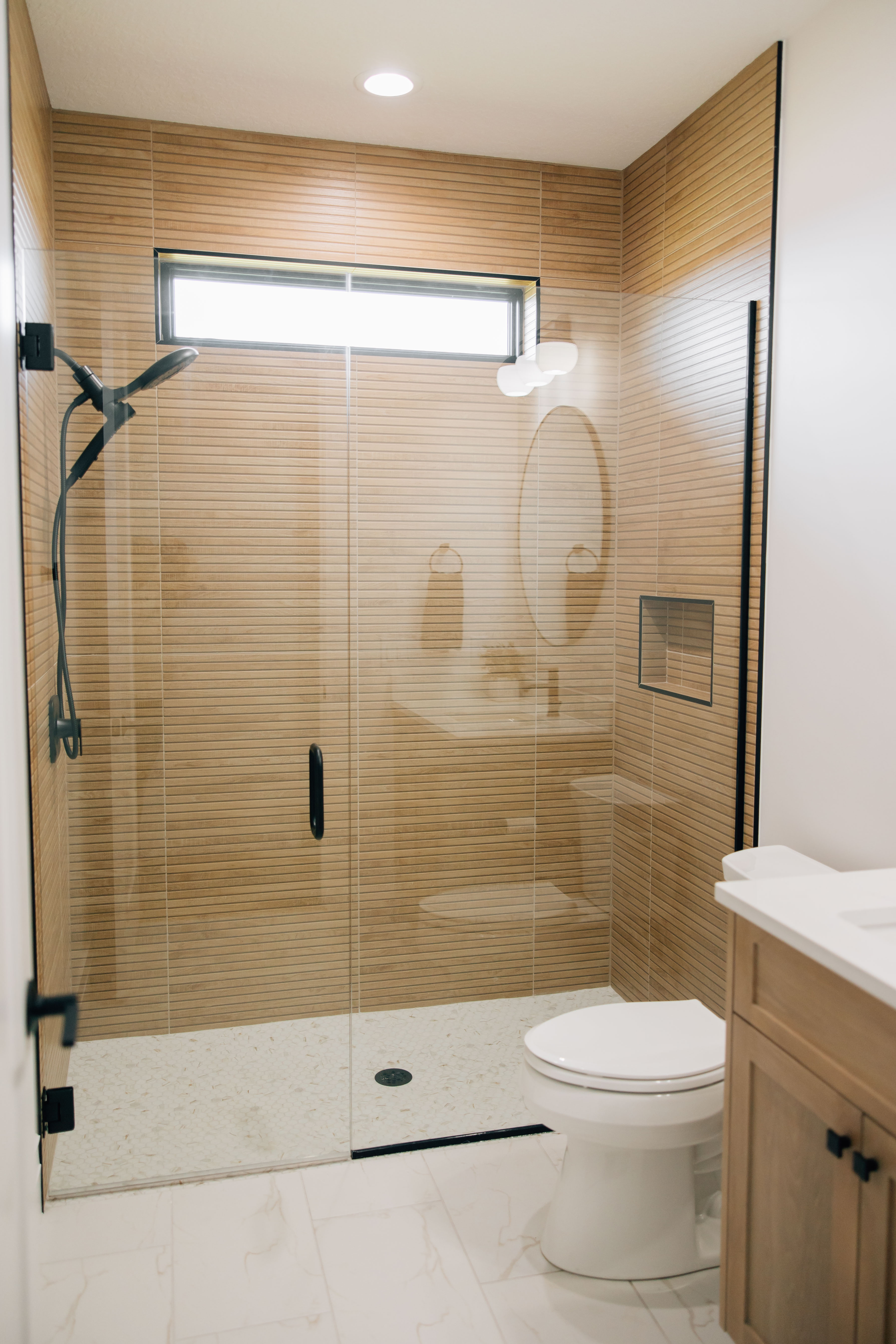
Designing a new construction home is a significant investment of time, energy, and resources. It’s not something you have to do alone. In fact, it’s an opportunity to surround yourself with expert support that can make all the difference.
Bringing in a new construction interior designer ensures you have a trusted partner who understands your vision and can translate it into every detail from architectural elements to accessories. This collaboration results in a home that is not only beautiful, but distinctly yours.
Interior design is both an art and a science. Having a designer on board means you have someone to advocate for you, make educated decisions, and keep your project aligned with your style and goals.
A designer can also act as your quality control advocate, spotting potential issues before they become costly, and guiding your builder toward solutions that align with your aesthetic priorities.
Work with a New Home Interior Designer When Designing a New Construction Home
Designing a new home is one of the most personal journeys you can embark on. It deserves a thoughtful, layered approach that honors your style, your lifestyle, and your future. By avoiding these common missteps and working with an experienced interior designer for new home builds, you can create a space that doesn’t just meet your expectations, but exceeds them.
Whether you’re beginning to build a new home, finalizing your floor plan, or selecting finishes, having a dedicated new home interior designer by your side brings clarity, creativity, and confidence to the process.
From floor plan review to final styling, Welcome Home Styling helps you navigate every phase with a steady hand and a designer’s eye. Our process is rooted in collaboration and craftsmanship, and we’re honored to help clients bring their dream homes to life.
Let Welcome Home Styling help you design a new construction home that feels timeless, elevated, and entirely your own.
Because your home should be as thoughtful and beautiful as the life you’re building inside it.