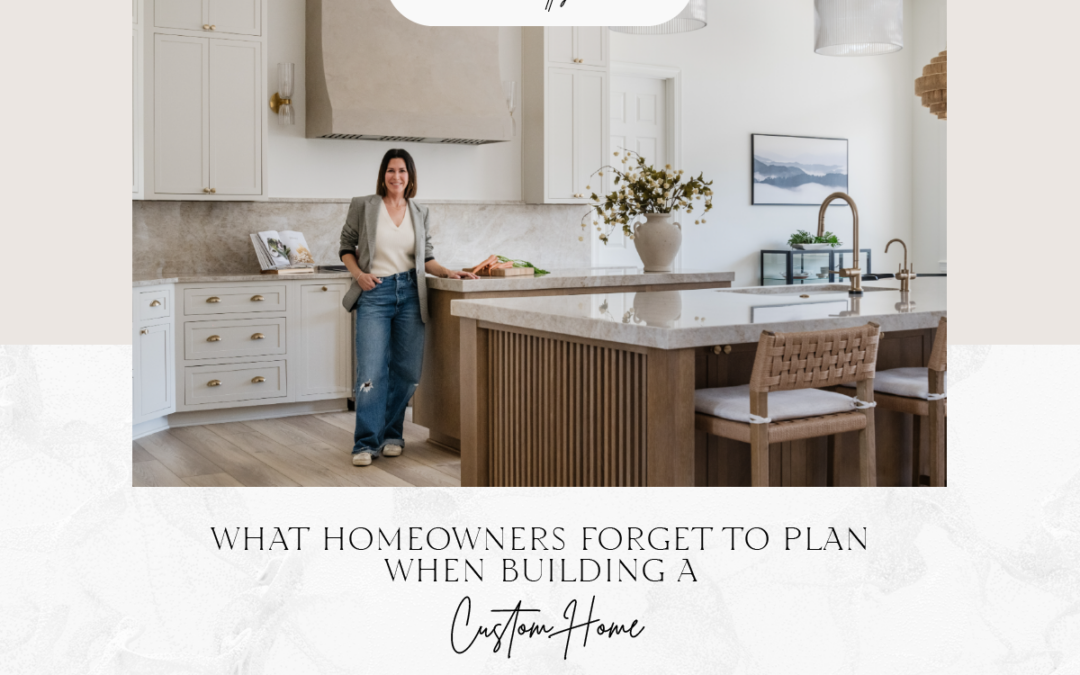
Building a custom home is one of the most exciting opportunities a homeowner can have. Instead of adapting to a space that someone else designed, you have the freedom to create a home that reflects your lifestyle, your preferences, and your family’s needs. Every room can serve a purpose. Every detail can feel intentional. And every corner of the home can be designed to support the way you truly live.
For many homeowners, a custom home represents the chance to create something lasting, and something that can grow and evolve with their family over time. From the layout of the kitchen to the flow between living spaces, custom home design allows you to shape a home that feels uniquely comfortable and functional.
But the excitement of building a custom home can sometimes make it easy to overlook a few important elements during the planning phase. When homeowners are focused on finishes, cabinetry, and countertops, they may forget to think about some of the structural and functional details that shape how the home truly works.
Things like lighting placement, outlet locations, and architectural character often receive less attention early in the process, even though they play a major role in how a home looks and functions once construction is complete.
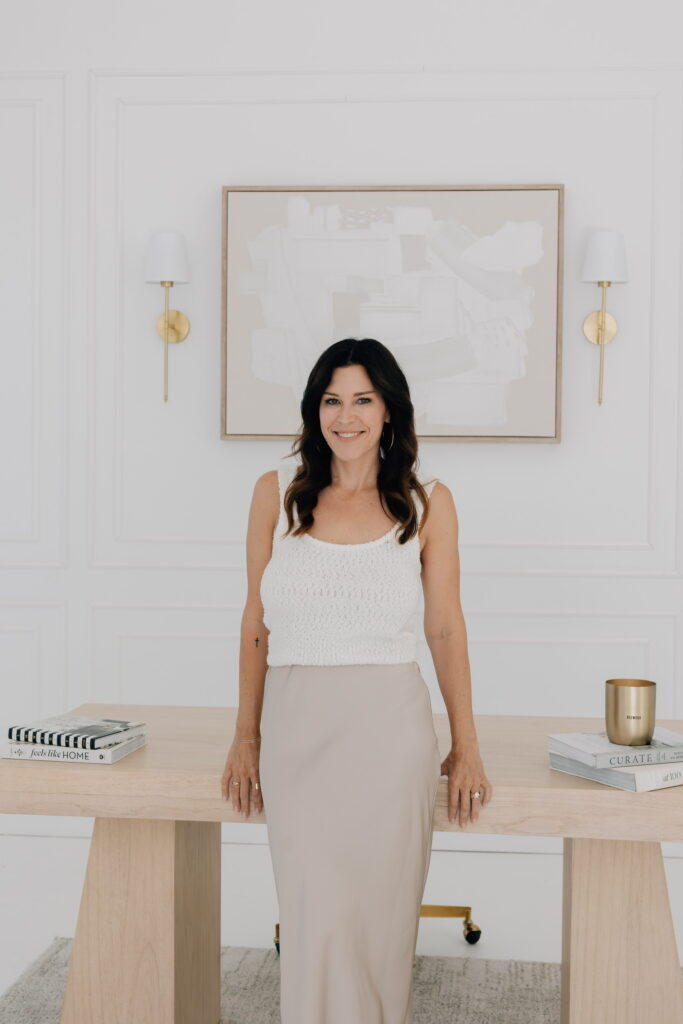
As a Florida interior designer, Jessica Woodward of Welcome Home Styling works with homeowners throughout the building process to ensure every detail of the residential interior design supports both the present and the future. The earlier these conversations happen, the more seamless and thoughtful the final result becomes.
Here are three important things homeowners often forget to plan when building a custom home, and how thinking ahead can make a meaningful difference in the final space.
Forgetting the Indoor-Outdoor Living Experience
When planning a custom home, much of the focus naturally goes toward the interior. Kitchens, bathrooms, flooring, cabinetry, and lighting tend to dominate early conversations during the custom home design process. But one of the most overlooked aspects of planning is how the indoor space connects to the outdoor environment.
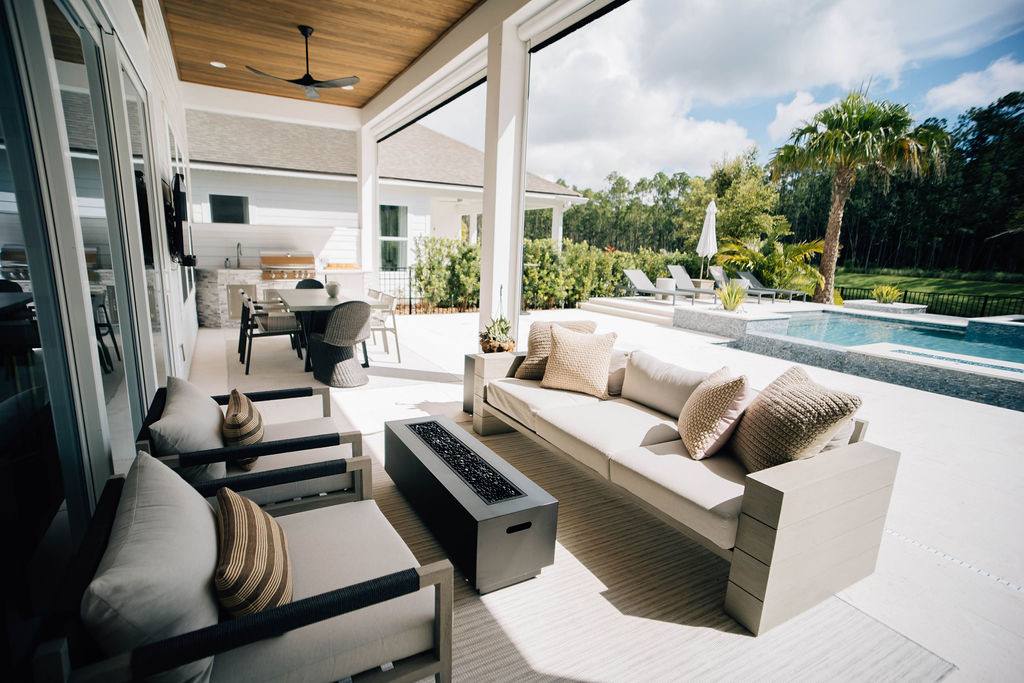
Outdoor areas can become some of the most used spaces in a home, especially in Florida where the climate encourages year-round outdoor living. Patios, pools, outdoor kitchens, and covered entertaining spaces all contribute to the way a home functions and feels.
Yet these spaces are often treated as separate additions rather than extensions of the home itself.
Why This Matters
When indoor and outdoor spaces aren’t planned together, the result can feel disconnected. You might have a beautiful pool or patio area that doesn’t integrate naturally with the layout of the house.
For example, if your pool is located behind the home but your laundry room is tucked far away on the opposite side, managing wet towels, swimsuits, and pool gear suddenly becomes inconvenient. What could have been a thoughtful feature becomes an everyday frustration.
Similarly, if you envision hosting gatherings on your patio but the interior layout doesn’t allow easy access or visibility from the kitchen or living room, the outdoor space may not get used as often as you imagined.
These missed connections can impact the overall experience of living in a custom home. Spaces that should work together instead feel separated.
How to Plan Ahead
The best approach is to think about indoor and outdoor spaces as one unified design.
During the custom home design phase, consider how the interior layout supports outdoor living. Do you want large sliding glass doors that open your living room to a covered patio? Would floor-to-ceiling glass create a stronger visual connection to your backyard?
Think about how your family will actually use the outdoor spaces.
If you plan to include a pool, consider placing the laundry room or mudroom near the backyard entrance so towels and swimwear have a convenient place to go. If entertaining is important to you, an outdoor kitchen near the interior dining space can make hosting effortless.
A thoughtful residential interior design approach ensures that indoor and outdoor environments complement each other. When these spaces are planned together, the result is a seamless indoor-outdoor living experience that feels natural and inviting.
Not Properly Lighting the Space
Lighting is one of the most important elements of any custom home, yet it’s also one of the most commonly underestimated parts of the planning process.
Many homeowners assume the lighting plan included in their construction documents will provide enough illumination for everyday living. But once the home is complete and furniture, decor, and window treatments are in place, spaces can often feel darker than expected.
Beyond the quantity of lighting, scale also matters. Oversized rooms paired with small fixtures or underpowered lighting can make even the most beautiful custom home design feel incomplete.
Why This Matters
Lighting impacts how every space in your home functions.
At the base level, if there aren’t enough flush lights installed during construction, rooms may feel dim or unevenly lit. This is particularly noticeable in kitchens, hallways, living rooms, and large open-concept spaces.
Unfortunately, adding recessed lighting after construction is complete can require cutting into drywall and ceilings, making it far more complicated and costly.
Now, why should you install recessed lighting? Simply, it’s like the blank slate of lighting. It provides the essential function needed from your lighting plan, without disturbing the aesthetics of your home. With recessed lighting, you’re free to change your style and interior design preferences without having to replace all of your lights.
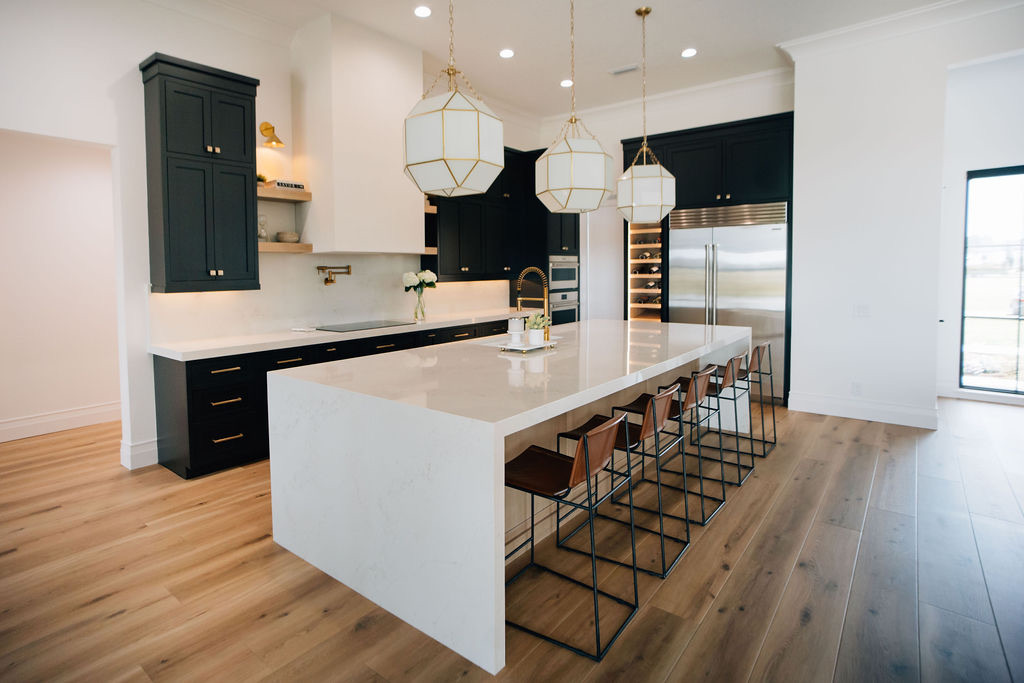
In addition to your recessed lighting, you’ll likely add more custom elements like chandeliers to add style to your space. With these pieces, scale is a common issue. A dramatic foyer with a small light fixture can feel underwhelming, while a smaller dining room with a large fixture may not feel balanced.
Proper lighting scale helps a home feel intentional and cohesive. The right size fixtures paired with the right amount of lighting overall create a layered lighting plan that feels both functional and elevated.
How to Plan Ahead
During the custom home design phase, it’s wise to add additional recessed lighting beyond what you may think to add initially. This is the base of your lighting plan, and is essential to setting you up for a well-lit home.
Although the flush lights are essential, lighting should also be layered throughout the home.
Ambient lighting from recessed fixtures provides overall illumination, while decorative fixtures add visual interest and character. Task lighting supports specific activities like cooking, reading, or getting ready in the morning.
As a Florida interior designer, Jessica Woodward of Welcome Home Styling also looks closely at lighting scale. Large open spaces often require proportionate fixtures that feel balanced with the architecture of the room.
In entryways, a statement chandelier may set the tone for the entire home. Over a dining table, the right fixture size ensures the room feels grounded and intentional.
Thoughtful lighting planning ensures the residential interior design of your home feels warm, functional, and beautifully illuminated.
Overlooking Outlet Placement
Another commonly forgotten detail in a custom home is planning for the right electrical outlet placement.
Outlets may seem like a minor detail during construction, but they play a major role in how functional your home feels once you move in.
Many homeowners rely on standard outlet placements determined by building code, but those placements may not reflect how your family actually uses the space.
Why This Matters
Without thoughtful outlet placement, everyday tasks can become inconvenient.
Outlet options for kitchen backsplashes so they aren’t an eye sore.
You may discover that your living room furniture blocks the only outlet available for a lamp. Or you may realize that the kitchen island doesn’t have an outlet where you can plug in small appliances.
Bedrooms may lack outlets for charging devices beside the bed, while home offices may require far more outlets than the standard plan provides.
These issues can lead to extension cords, visible power strips, or furniture arrangements that feel forced.
When designing a custom home, these small details can have a big impact on the overall experience of living in the space.
How to Plan Ahead
The key is to think about how each room will actually function before finalizing electrical plans.
Consider where furniture will likely sit and where lamps, electronics, and appliances will need power. Living rooms may benefit from floor outlets placed near seating areas. Kitchen islands often need outlets for small appliances or electronics needed for recipes.
Bedrooms should have convenient charging access near nightstands, and home offices typically require multiple outlets to support computers and equipment.
Working with a Florida interior designer during the custom home design process can help ensure these details are thoughtfully planned before construction begins.
When outlet placement supports the way your family actually lives, the residential interior design of your home feels seamless and effortless.
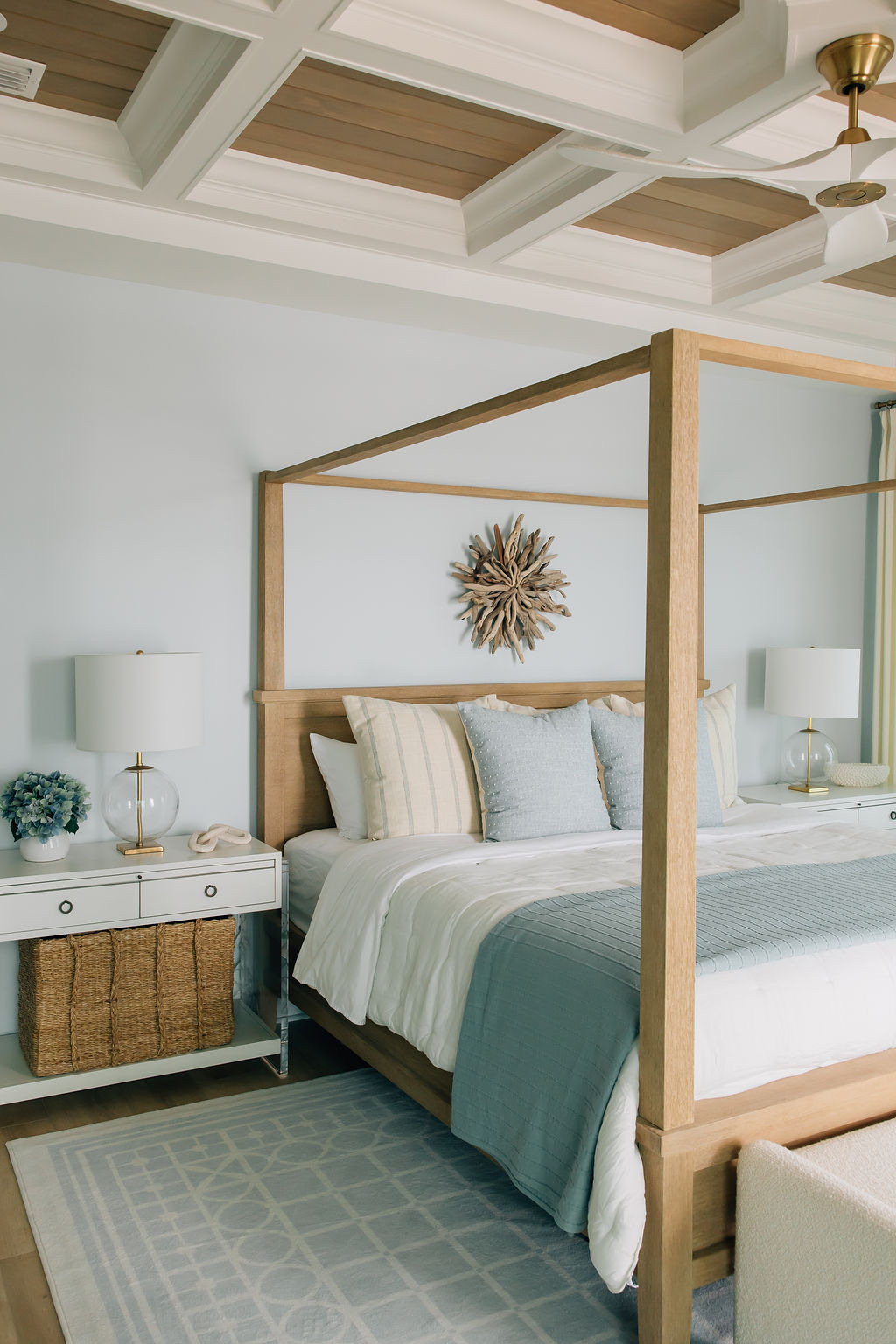
Forgetting to Add Character and Architectural Details
When homeowners build a custom home, much of the early focus tends to go toward layout and material selections. While those elements are important, another frequently overlooked aspect of custom home design is adding architectural character.
Without thoughtful details, even a beautifully constructed home can sometimes feel flat and unfinished like a one-size-fits-all template.
Architectural details like wall treatments, ceiling features, built-ins, and unique flooring patterns are what bring personality and warmth into a home, truly making it your own.
Why This Matters
A custom home should feel distinctive and personal. But when architectural details are overlooked, rooms can begin to feel similar to one another.
Walls may feel empty. Ceilings may lack dimension. Rooms may feel like they’re missing the finishing touches that elevate the overall design.
Built-ins, millwork, and decorative wall treatments add layers of visual interest while also increasing functionality.
For example, built-in shelving can display meaningful décor and personal items. Ceiling beams can create warmth and architectural depth in living spaces. Wall paneling or trim details can frame a room and create a sense of craftsmanship.
These details are often easiest and most cost-effective to include during the building phase of a custom home, rather than adding them years later.
How to Plan Ahead
During the custom home design process, think about where architectural details could enhance each space. This is often a task made easier when you hire an interior designer like Jessica from Welcome Home Styling. A designer can look at the space and see where these ceiling or wall treatments and built-in features will add to the space rather than compete with it.
Built-in cabinetry can provide both storage and character in living rooms, home offices, and bedrooms. Accent walls with trim or paneling can add depth and visual interest.
Ceiling treatments such as wood beams or coffered ceilings can elevate larger rooms and draw attention to the architecture of the space.
Flooring patterns, such as herringbone wood floors or tile inlays, can add subtle elegance to entryways and common areas.
As a Florida interior designer, Jessica often helps homeowners identify where these design details will have the greatest impact. Incorporating these features early ensures the residential interior design feels uniquely tailored to the homeowner.
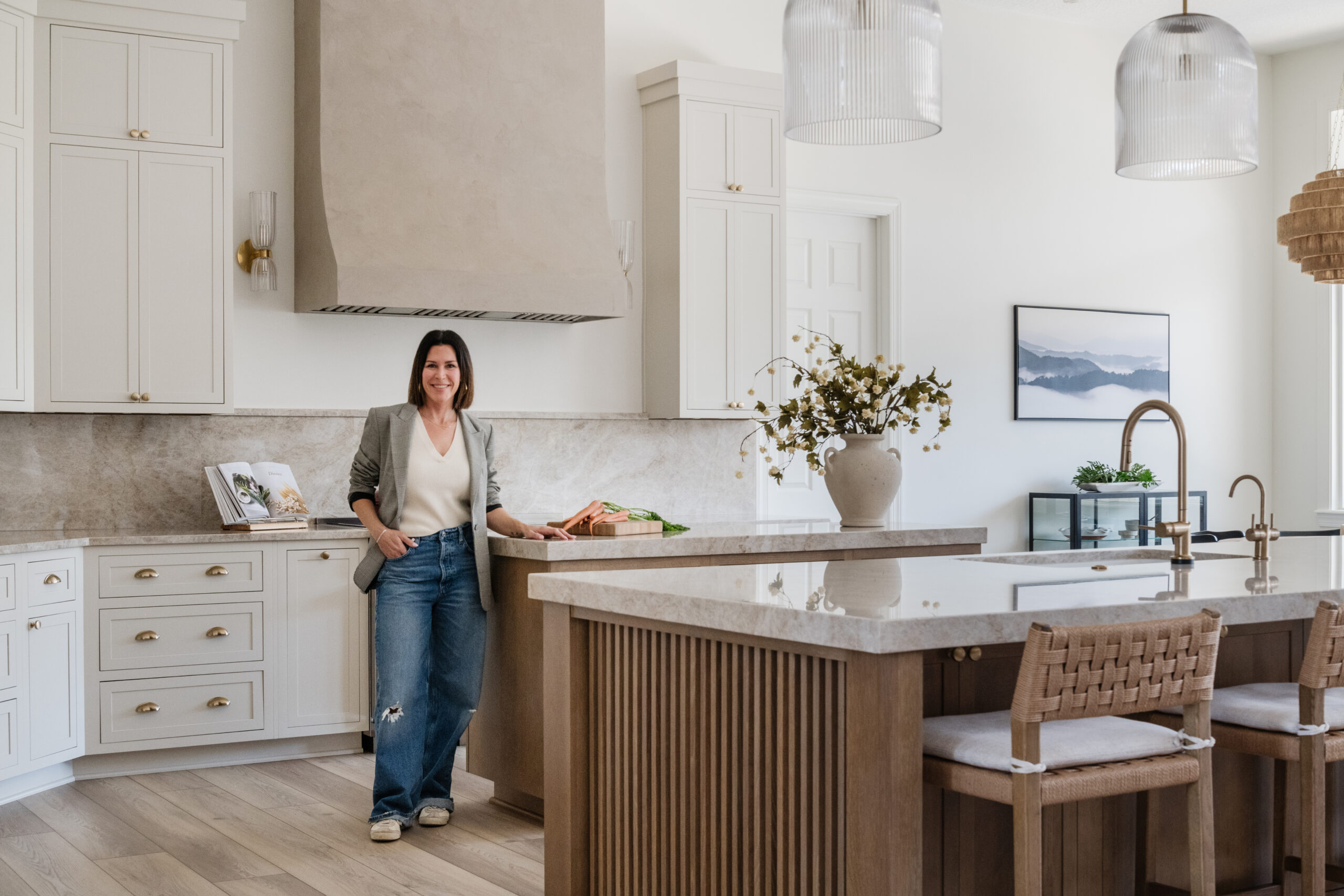
Waiting Too Long to Hire an Interior Designer
One of the biggest things homeowners forget when building a custom home is involving an interior designer early in the process.
Many people assume interior designers come in after construction is complete to help with furniture, styling, or decor. But in reality, bringing a designer into the conversation during the early planning stages can make a tremendous difference in the outcome of the home.
Why This Matters
When an interior designer is involved late in the process, many of the most important design decisions have already been made.
Floor plans are finalized. Structural features are built. Lighting placements and architectural details are already determined.
This can limit the ability to fully shape the home’s residential interior design in ways that support both beauty and functionality.
By contrast, involving a designer early in the custom home design process ensures that every detail is considered from the beginning. Layout decisions, architectural features, lighting plans, and storage solutions can all be thoughtfully integrated before construction even begins.
A designer can also help homeowners avoid overlooking key elements like indoor-outdoor living connections or future lifestyle needs.
How to Plan Ahead
The best time to hire an interior designer is at the very beginning of your custom home journey.
Working with a designer early allows them to collaborate with your architect and builder to ensure the home’s layout supports the way you want to live. They can provide insight into how rooms will function, how materials and finishes work together, and how architectural details contribute to the overall design.
As a Florida interior designer, Jessica Woodward approaches every project with careful attention to both functionality and style. Her role isn’t just about selecting finishes. It’s about guiding the entire residential interior design experience so homeowners don’t have to navigate every decision alone.
When homeowners work with an experienced designer from the start, the process becomes far more streamlined. Details that might otherwise be overlooked are thoughtfully addressed, and the final home feels cohesive, intentional, and personalized.
Even years down the road, having a designer who understands your home can make future updates easier. Because they were part of the original custom home design, they already know the structure, style, and vision behind the space.
Creating a Custom Home that Truly Works for You
Designing a custom home is an incredible opportunity to create a space that reflects your lifestyle, your family, and the way you want to live every day. With the right planning, every room can feel purposeful, comfortable, and tailored to the way you live.
But building a custom home involves far more than choosing finishes and selecting furniture. Lighting placement, electrical planning, architectural details, and the connection between indoor and outdoor living all play an important role in shaping how a home functions.
These are the details that transform a house into a home that truly works for the people inside it.
Perhaps the most important step homeowners can take is bringing an interior designer into the process early. A thoughtful Florida interior designer helps guide the vision, anticipate potential challenges, and ensure that every aspect of the residential interior design supports both beauty and function.
At Welcome Home Styling, Jessica Woodward works closely with homeowners throughout the building process to create homes that feel elevated, comfortable, and deeply personal. From early layout planning to the finishing design details, her goal is to ensure every element of your custom home design reflects your lifestyle and the way you want to live.
If you’re planning to build a custom home, partnering with the right designer from the beginning can make the entire experience smoother, more enjoyable, and far more rewarding.
Your dream home deserves thoughtful planning and the right design guidance can bring that vision to life. Contact us to book a consultation.